As Pakistan’s cities grow, so will the difficulties of traffic, pollution, and accessibility. Traditional modes of transportation such as motorbikes, rickshaws, and buses are straining to keep up with the rapid rate of urbanization. This is where the topic of micromobility comes up.
At its most basic, micromobility refers to the use of micromobility vehicles—small, lightweight forms of transportation such as e-scooters, e-bikes, and other light electric vehicles (LEVs) meant for short urban trips. These solutions are affordable, space-saving, and environmentally friendly.
Globally, shared micromobility systems—powered by smartphone apps—have transformed urban mobility. Pakistan is already beginning to accept these developments, with pilot schemes in places such as Lahore and Karachi incorporating electric scooters and e-bike Pakistan fleets. For many passengers, these services provide a link between public transportation systems like as the Lahore Metrobus, Karachi Green Line, and Islamabad Metrobus, bridging critical first- and last-mile gaps.
Micromobility Definition in Simple Terms
The official micromobility definition includes the following:
- Transport with micromobility vehicles weighing less 500 kg.
- Operating at speeds typically below 25 km/h.
- Designed for short distances (1-10 kilometers).
- Often powered by electricity instead of fossil fuels.
This category contains:
- Electric scooters (e-scooter Pakistan)
- E-bike Pakistani models
- Pedelecs (pedal-assisted bicycles)
- E-rickshaws and Compact Light Electric Vehicles (LEVs)
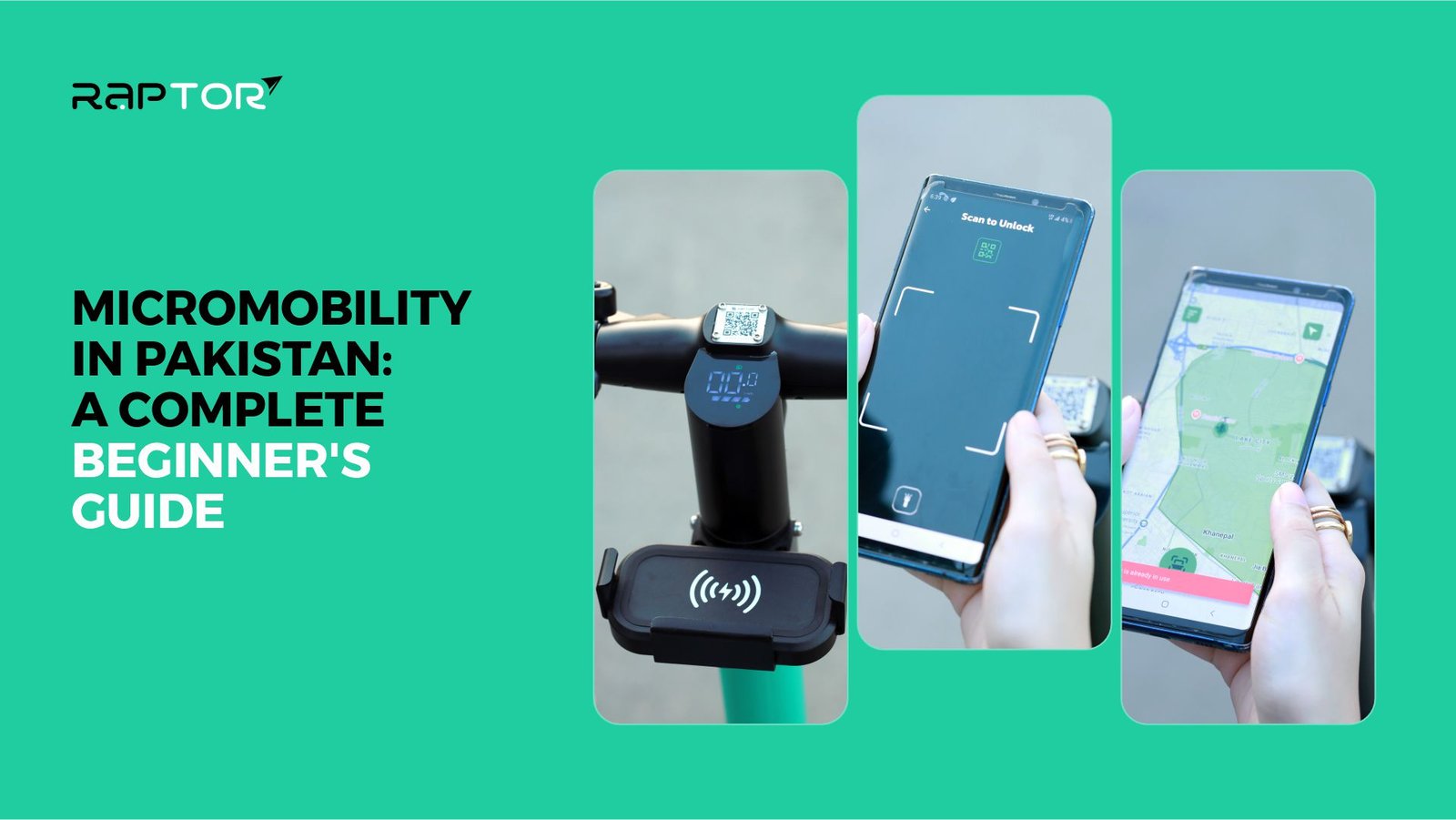
These vehicles can operate in dockless systems, in which consumers unlock them via an app and leave them at parking lots, or in station-based setups with charging docks.
1. Reducing Congestion
Micromobility is important for urban mobility in Pakistan due to its ability to reduce congestion.
Pakistan’s cities, particularly Karachi and Lahore, are severely congested. Micromobility cars require less space, allowing for more efficient traffic movement in congested places.
2. Supporting Sustainable Transportation
Micromobility is essential for sustainable transportation since it decreases reliance on petroleum, lowers carbon emissions, and improves air quality.
3. Affordable First and Last Mile Connectivity
Getting from stations to residences or offices remains difficult for commuters who use the Lahore Metrobus or Islamabad Metrobus. Shared micromobility, such as electric scooters, provides an affordable solution.
4. Energy Efficiency and Clean Technology Growth
As Pakistan welcomes clean tech entrepreneurs, micromobility has evolved as a major sector, increasing energy efficiency and promoting Mobility-as-a-Service (MaaS) use.
Micromobility Vehicle Types
Electric Scooters
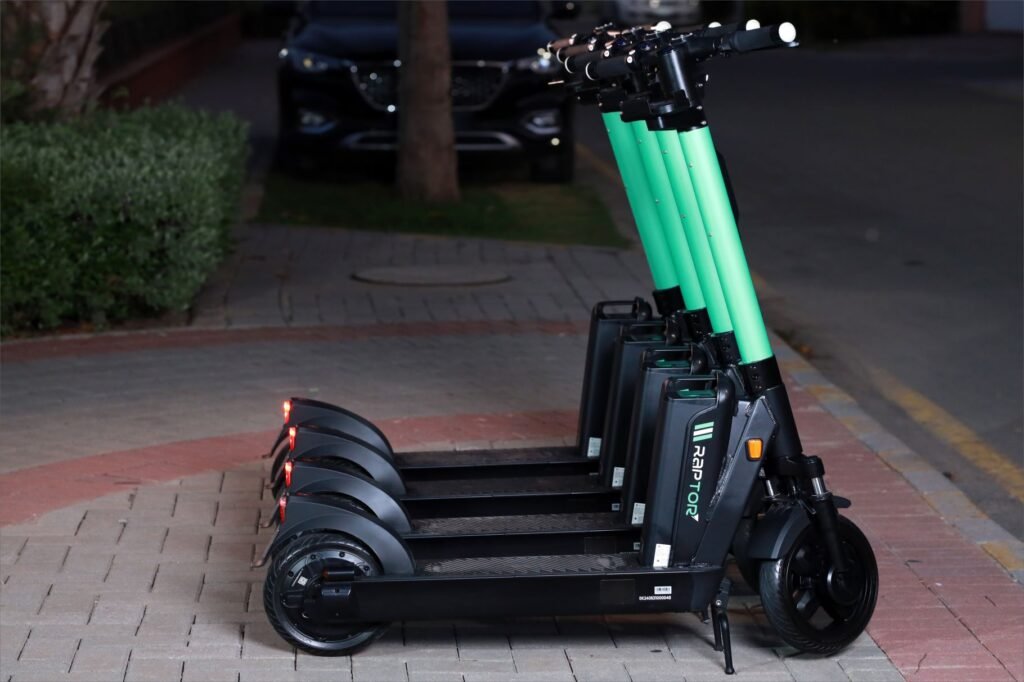
Electric scooters are essential for micromobility in Pakistan since they are compact, speedy, and perfect for densely populated regions. They are powered by rechargeable batteries and normally have a range of 25-40 kilometers.
E-Bike Pakistan
E-bikes combine cycling and electric assist. They are gaining popularity for longer journeys when cycling alone would be exhausting.
Pedelecs and LEV
Pedelecs (pedal-assist bikes) and other light electric vehicles (LEVs) are being tried in smart city initiatives across Pakistan.
E-Rickshaws
E-rickshaws, which are popular in South Asia, are already a component of Pakistan’s urban mobility, providing group trips with lower emissions.
The Impact of Shared Micromobility in Pakistan
Shared micromobility services are becoming increasingly popular around the world, and Pakistan is no exception. The key models include:
- Dockless systems allow riders to unlock micromobility cars using a smartphone app.
- Parking hubs: Designated zones help to decrease sidewalk clutter.
- Geofencing technology prevents automobiles from parking outside approved locations.
These inventions promote safe, structured, and scalable micromobility in Pakistan, particularly in densely populated areas such as Lahore and Karachi.
Infrastructure, Safety, and Regulations
Investment in infrastructure is critical for the growth of micromobility in Pakistan. Dedicated lanes, helmets, clearly defined speed restrictions, and road safety initiatives are required. Regulatory frameworks should address:
- Parking zones and charging docks
- Maintenance obligations for operators
- Regulation of Rider Behavior
- Insurance and liability coverage
Without these regulations, the rapid expansion of Pakistan’s electric scooter and e-bike fleets may pose safety issues.
Charging, Battery, and Maintenance
Charging and battery availability provide a significant difficulty. The majority of micromobility vehicles in Pakistan are powered by imported lithium-ion batteries, which limits their affordability. However, opportunities do exist:
- Expansion of charging stations in Pakistan.
- Batteries are assembled locally for improved cost control.
- Improved range with new technology.
- Training local mechanics in car repair.
Environmental Impact: Air Quality and Carbon Footprint
Pakistan’s cities are among the most polluted in the world. Transportation contributes significantly to GHG emissions and poor air quality. Cities can promote micromobility:
- Reduces car emissions dramatically.
- Improve the respiratory health outcomes.
- Contribute to carbon emission reduction targets.
- Reduce the dependency on imported gasoline.
Thus, micromobility in Pakistan is about more than just convenience; it’s also about creating healthier, more sustainable communities.
Micromobility and Smart Cities in Pakistan
Smart mobility solutions are already being tested in projects such as Lahore Smart City and the urban regeneration programs in Karachi. Micromobility connects with Mobility-as-a-Service (MaaS) systems, utilizing IoT and geofencing to provide a structured rollout.
As Pakistan evolves toward sustainable mobility, micromobility will be the foundation of daily transportation in major metropolitan centers.
FAQs: Micromobility in Pakistan
Q1: What is micromobility?
Micromobility is the usage of micromobility vehicles, such as e-scooters, e-bikes, and other light electric vehicles (LEVs), for short urban trips.
Q2. Can you explain the definition of micromobility in simple terms?
Micromobility is defined as compact, lightweight transportation modes, frequently electric, suited for distances of less than 10 kilometers in cities.
Q3: What micromobility vehicles are used in Pakistan?
In Pakistan, electric scooters, e-bikes, pedelecs, and e-rickshaws are popular micromobility vehicles.
Q4: What are shared micromobility services?
Shared micromobility allows users to rent vehicles such as electric scooters or e-bikes via dockless systems or parking hubs.
Q5: Are electric scooters safe in Pakistan?
Helmets, speed limits, and improved infrastructure, such as bike lanes, all contribute to safety.
Q6. How does micromobility affect urban mobility in Pakistan?
It minimizes traffic congestion, provides last-mile connectivity, and connects with public transportation, such as the Lahore Metrobus.
Q7: How do batteries and charging affect micromobility in Pakistan?
Battery range, charging infrastructure, and maintenance are significant variables influencing the adoption of electric scooters and e-bikes in Pakistan.
Q8: How does micromobility cut carbon emissions?
Micromobility cars help to reduce carbon emissions and improve air quality by replacing gasoline-powered trips.
Q9. How does geofencing impact micromobility?
Geofencing guarantees that dockless devices function inside authorized regions, reducing misuse and enhancing order.
Q10: What is the future of micromobility in Pakistan?
The future will feature shared micromobility, improved infrastructure, local battery production, and integration with sustainable transportation policies.
Conclusion
For Pakistan, the question has shifted from what micromobility is to how rapidly it can be embraced. With increased demand for sustainable transportation, deteriorating air quality, and debilitating urban congestion, alternatives are critical.
Micromobility vehicles such as electric scooters, e-bikes in Pakistan, and shared micromobility platforms have the potential to transform urban mobility. They are inexpensive, eco-friendly, and adaptable to Pakistan’s transportation terrain.
Pakistan may accelerate adoption by investing in charging infrastructure, encouraging helmet use and safety regulations, and supporting dockless systems and parking hubs.
Finally, micromobility in Pakistan is more than just a trend; it is a step toward sustainable mobility, cleaner cities, and a better quality of life for millions of people.