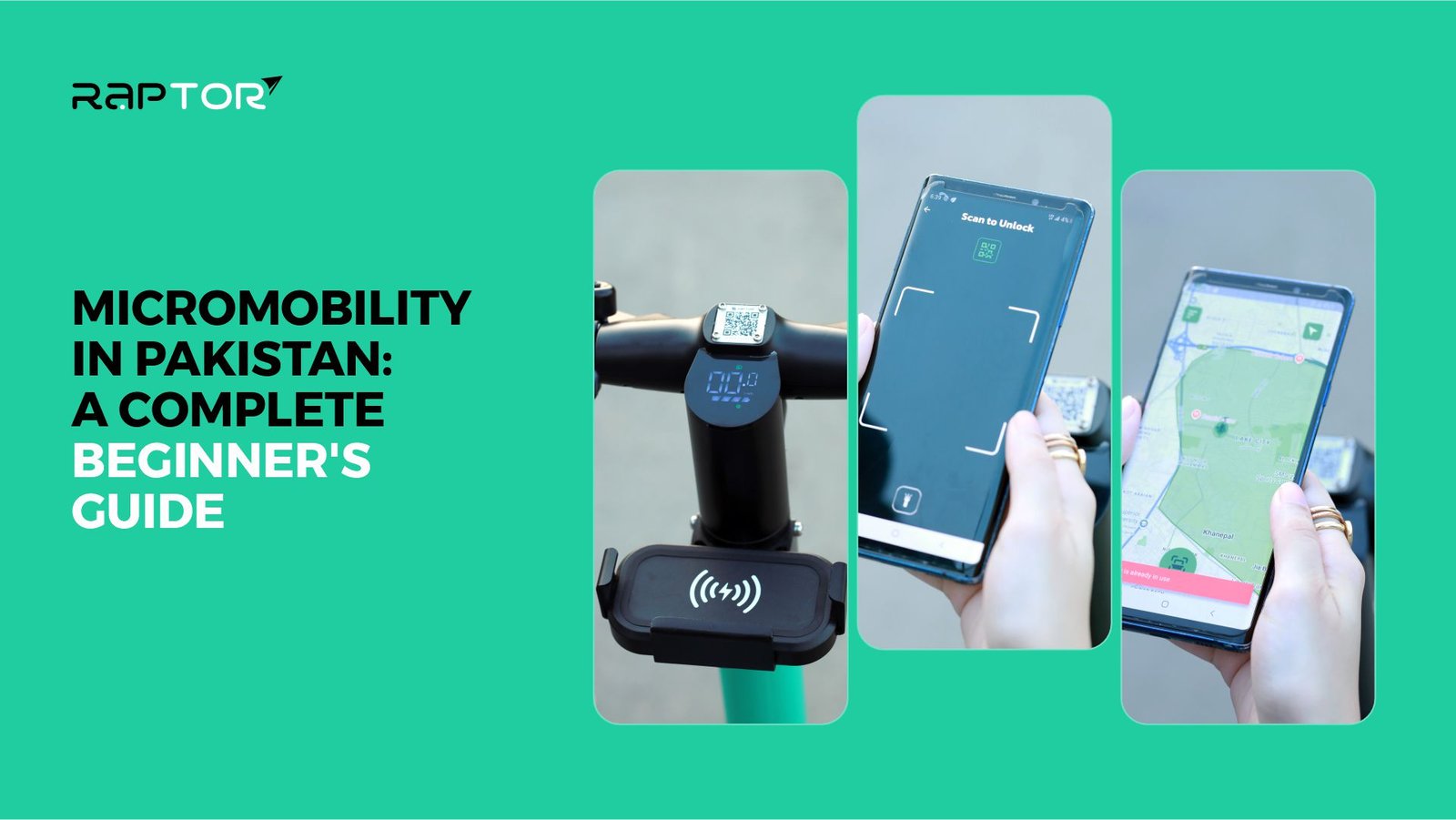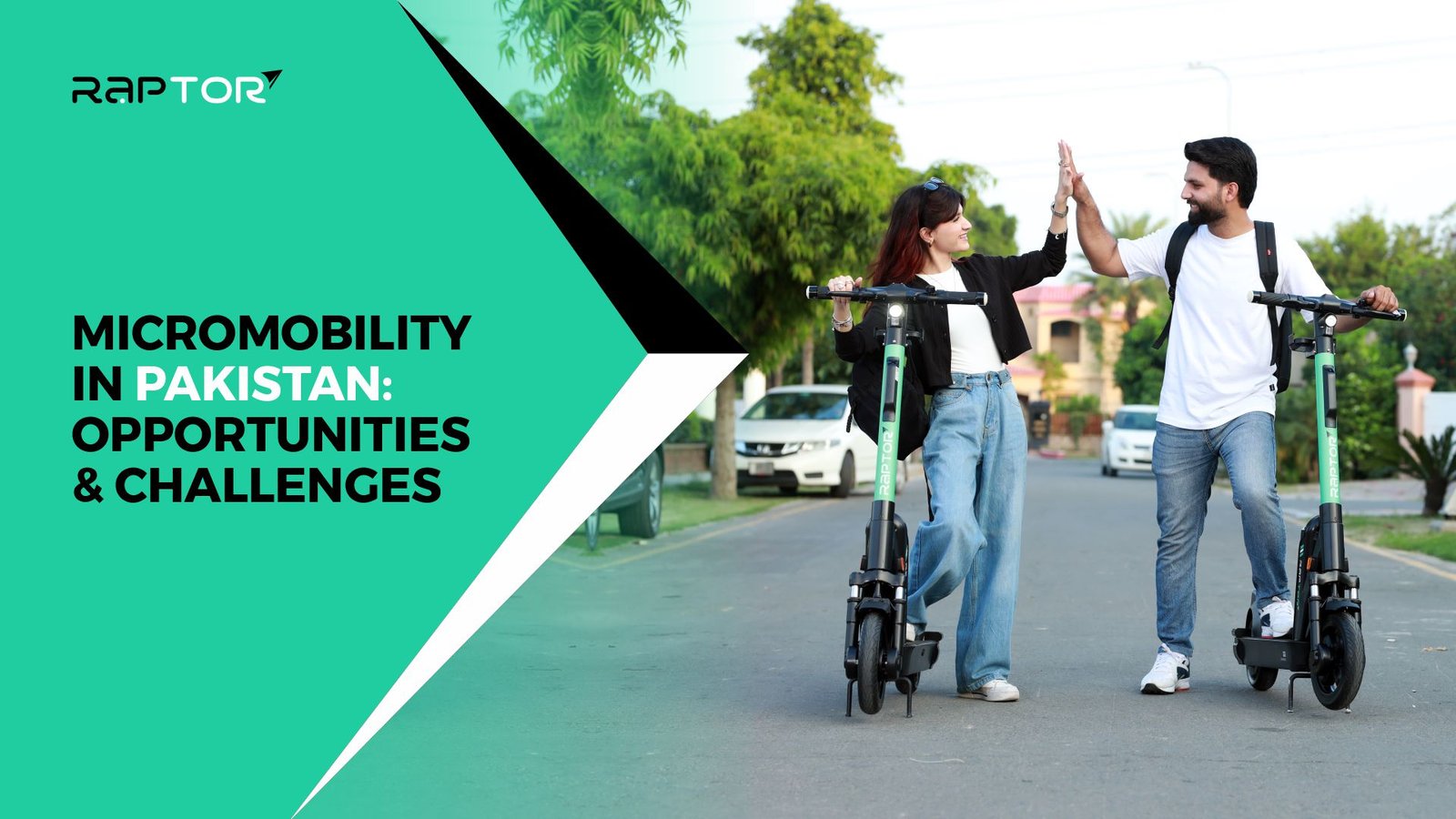
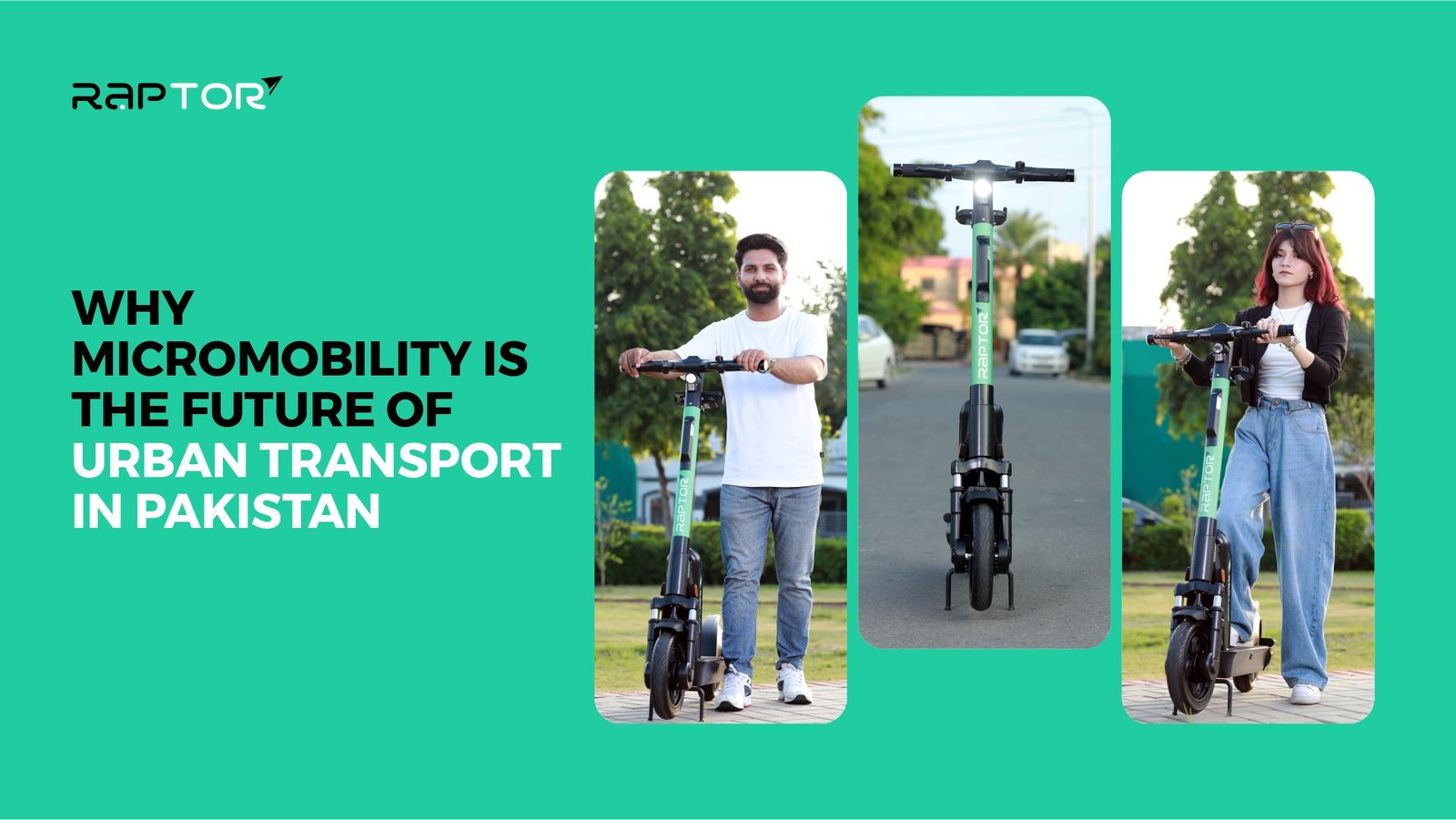
Pakistan’s cities are rapidly expanding, posing new commuting issues. From traffic congestion in Lahore and Karachi to growing fuel costs and decreasing air quality in Pakistan, the demand for a better, greener, and more efficient transportation system has never been more pressing. This is where micromobility in Pakistan emerges as a transformative force. The rise of micromobility in Pakistan—powered by electric scooters, e-bikes, and sharing platforms—represents a revolution in how people travel around cities.
Ride Raptor Micromobility is in the forefront of this transformation, as Pakistan’s first structured micromobility project. Its CEO has established the company as an industry leader, with an emphasis on incorporating shared micromobility Pakistan into existing transportation networks such as the Lahore Metrobus, Karachi Green Line, and Islamabad Metrobus.
The objective is clear: micromobility will become the future of urban transport in Pakistan by addressing last-mile connectivity, lowering carbon footprints, and promoting sustainable urban transportation.
Understanding Micromobility in Pakistan
Micromobility includes small, lightweight vehicles such as electric scooters Pakistan, e-bikes, and e-rickshaws Pakistan, which are often powered by lithium-ion batteries.
Micromobility has become a worldwide answer to urban congestion, but in Pakistan, it also addresses affordability, pollution, and accessibility. Shared micromobility in Pakistan now allows customers to rent vehicles for short excursions using mobile apps.
Ride Raptor Micromobility combines geofencing and Internet of Things (IoT) technologies to improve safety and tracking capabilities. As Pakistan develops smart cities, micromobility is predicted to have a significant impact on daily commuting.
The Pakistan EV Policy 2025 promotes this transition by promoting the manufacturing and use of Light Electric Vehicles (LEV), hence increasing micromobility acceptance in Pakistan.
Why is Micromobility the Future of Urban Transportation in Pakistan?
1. Addressing Urban Congestion
Traffic bottlenecks in Lahore, Karachi, and Islamabad cost millions of productive hours every year. Micromobility Pakistan delivers tiny automobiles that use less road space, reducing urban congestion in Pakistan.
2. Supporting the Sustainable Transportation Goals
With rising greenhouse gas emissions, Pakistan is under worldwide pressure to reduce its carbon footprint. Cities can achieve sustainable urban transportation goals by implementing electric scooters and e-bikes.
3. Addressing Last-Mile Connectivity
Passengers using public transportation networks such as Lahore Metrobus frequently struggle with last-mile connectivity in Pakistan. Shared micromobility Pakistan provides an inexpensive and environmentally friendly alternative.
4. Commuter Affordability
Inflation and rising gasoline prices make owning a motorcycle or automobile unaffordable. Micromobility adoption Pakistan offers low-cost solutions for daily commuting, particularly with Ride Raptor Micromobility rental models.
5. Technological Integration
Geofencing technologies, IoT, and digital payments improve security and convenience of use. Ride Raptor Micromobility’s innovations put it at the forefront of modernizing Pakistan’s micromobility business model.
Ride Raptor Micromobility – Pakistan’s First Industry Leader
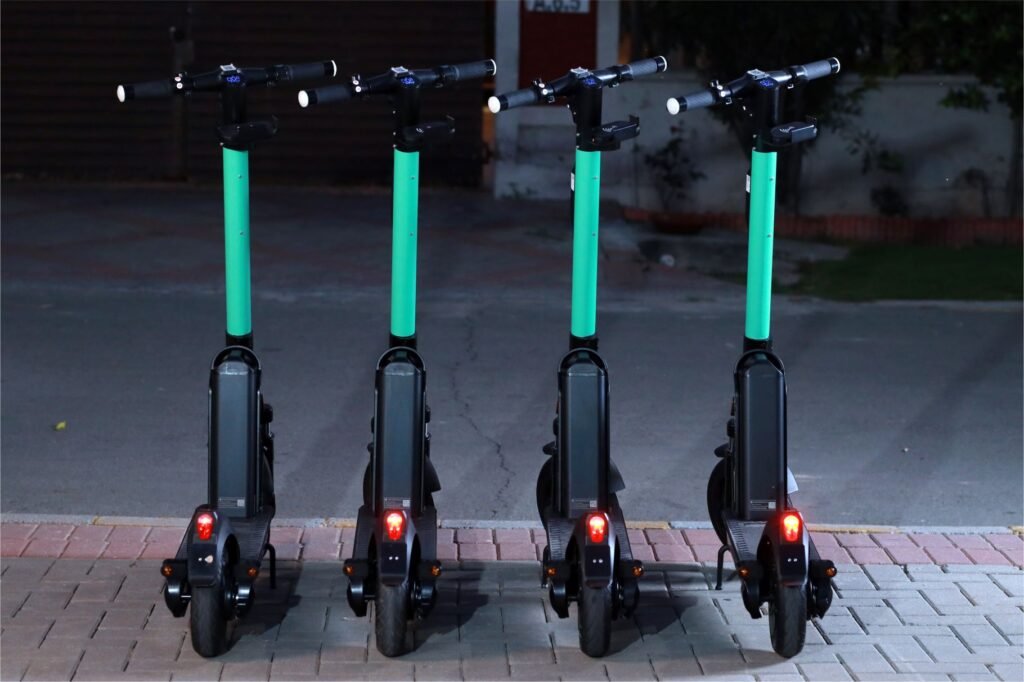
However, Ride Raptor Micromobility is Pakistan’s first platform for shared micromobility services. Led by a visionary CEO, the company has established itself as the industry leader in micromobility in Pakistan.
Achievements include:
- Pakistan is launching electric scooter rentals to the public.
- Partnering with universities and commercial districts to boost micromobility usage in Pakistan.
- Implementing safety precautions using geofencing technology.
- Advocating for more charging stations in Pakistan to improve accessibility.
Ride Raptor, Pakistan’s first micromobility project, is not only creating a business but also redefining how cities view micromobility in the future of urban transportation in Pakistan.
Opportunities for Micromobility in Pakistan
The prospects are immense, as long as difficulties are strategically addressed.
- The EV Policy Pakistan 2025 provides incentives for both makers and customers.
- Rising worries about air pollution in Pakistan are fueling demand for greener alternatives.
- Increased smartphone penetration in Pakistan promotes app-based rentals for shared micromobility.
- Younger people in Pakistan are more likely to embrace micromobility as a cultural norm.
Challenges to Micromobility Adoption in Pakistan
Although promising, there are challenges:
- Lack of standardized road infrastructure for electric scooters Pakistan raises safety worries.
- Imported lithium-ion batteries increase the cost of Pakistan’s micromobility business model.
However, with great leadership from Ride Raptor Micromobility and backing from the Pakistan EV Policy 2025, these problems can be overcome.
Environmental and Societal Impact
Transitioning to Micromobility Pakistan offers long-term advantages:
- Reducing reliance on fossil fuels immediately lowers GHG emissions.
- Promoting sustainable urban transportation in Pakistan promotes public health by reducing air pollution.
- Lower-income groups are more likely to be included when commuter costs are made affordable.
- The environmental impact of micromobility in Pakistan is directly related to national pledges under global climate agreements.
FAQs: Micromobility in Pakistan
Q1: What is micromobility in Pakistan?
Micromobility in Pakistan refers to lightweight vehicles such as electric scooters, e-bikes, and e-rickshaws that are intended for short-distance urban commuting.
Q2: Why is Ride Raptor Micromobility important?
Ride Raptor Micromobility is Pakistan’s first organized project and industry leader in shared micromobility, with a focus on micromobility adoption in Pakistan.
Q3. How can micromobility contribute to Pakistan’s last-mile connectivity?
Micromobility in Pakistan bridges the critical last-mile connectivity gap in Pakistan by connecting passengers to public transportation terminals such as Lahore Metrobus.
Q4. How does Pakistan’s EV Policy 2025 promote micromobility?
The EV Policy Pakistan 2025 provides incentives for local production, import tariff reductions, and charging infrastructure support, hence increasing micromobility usage in Pakistan.
Q5. How do electric scooters in Pakistan contribute to sustainable transportation?
They minimize reliance on fuel, reduce pollutants, and offer a cost-effective solution to achieving sustainable urban transportation in Pakistan.
Q6: Is micromobility affordable for daily commuters?
Yes. Compared to motorbikes or cars, shared micromobility Pakistan provides affordable trips for urban commuters.
Q7. What are the primary micromobility problems that Pakistan faces?
Infrastructure gaps, a lack of charging stations in Pakistan, high battery costs, and cultural hurdles to adoption are all major obstacles.
Q8. How does micromobility help lessen urban congestion in Pakistan?
Smaller vehicles, such as electric scooters Pakistan and e-bikes, take up less road space, reducing urban congestion in congested areas.
Q9: What technologies are used in Ride Raptor Micromobility?
Ride Raptor Micromobility uses IoT, geofencing, and digital payments to improve safety and convenience.
Q10: What is the future of micromobility in Pakistan?
Micromobility’s future urban transit in Pakistan is dependent on adoption, cultural acceptance, and government backing through the Pakistan Electric Vehicle Policy 2025.
Conclusion
Micromobility holds the key to Pakistan’s future of commuting. With increased urbanization, deteriorating air quality in Pakistan, and rising transportation expenses, the need for sustainable solutions is apparent.
Ride Raptor Micromobility, led by a visionary CEO, is establishing the standard for shared micromobility Pakistan by integrating electric scooters into metropolitan transportation systems. With the Pakistan EV Policy 2025 and investments in charging stations, Pakistan’s micromobility future urban transit is brighter than ever.
By tackling the obstacles and prospects of micromobility adoption in Pakistan, the country may reduce urban congestion, increase last-mile connectivity, and provide a framework for sustainable urban transportation.